
Does Your Dog Know When You’re Sad? What New Research Says
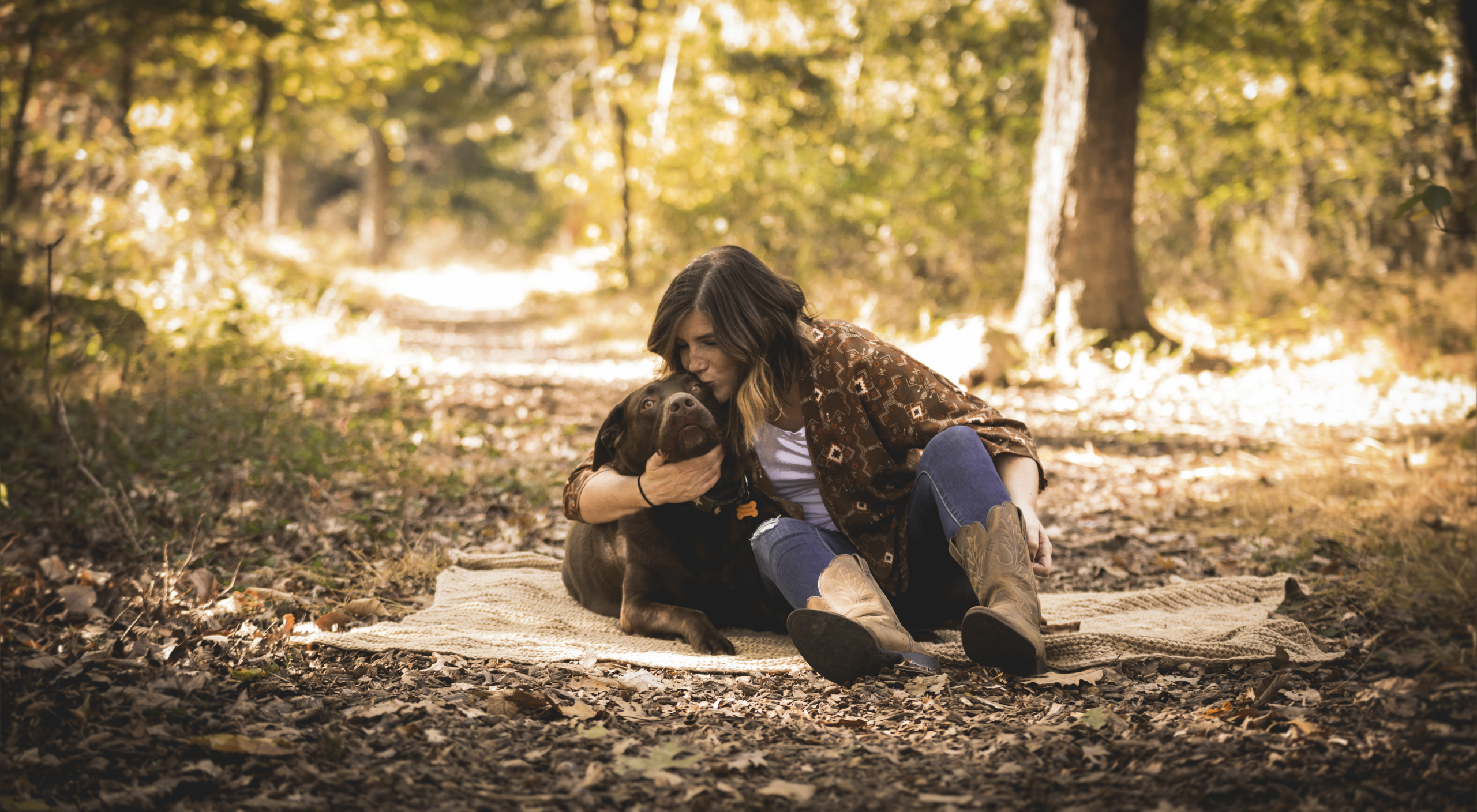
If you have a dog, you’ve probably had one of those moments.
Maybe you were having a bad day, sitting quietly on the couch, or even crying. Then your dog suddenly came over, stared at you, sat nearby, or rested their head against you.
It can really feel like they know something is wrong.
I’ve always found the connection between dogs and people fascinating. They watch us so closely—our faces, our movements, our voices, and even our routines. But do dogs actually react differently when they hear a person crying?
A new study suggests they do. But there’s also an interesting part to the story: a dog’s life experiences may affect how they respond.
Researchers Looked at How Dogs Respond to Crying

A study published on September 22, 2026, in Scientific Reports looked at how different groups of dogs responded when a person pretended to cry.
Researchers studied 112 dogs, including:
- Dogs living in homes with people
- Dogs living in shelters
- Free-ranging dogs
The researchers compared the dogs’ behavior when a familiar person or a researcher simulated crying or singing.
Why singing?
It gave researchers another type of human vocal sound to compare with crying.
The researchers watched for behaviors such as whether the dogs looked toward the person, approached them, made physical contact, or became more interested in something else around them.
You can read the original study here:
Life experiences affect dogs’ responses to human crying — Scientific Reports
Dogs Paid More Attention to Crying

One of the clearest findings was that dogs showed more person-focused behavior when they heard crying than when they heard singing.
That happened whether the crying person was familiar to the dog or not.
That is pretty interesting.
It suggests that something about the emotional sound of crying catches a dog’s attention.
But there is an important difference between saying a dog notices crying and saying a dog understands sadness the same way we do.
This study doesn’t prove that dogs know exactly what a crying person is feeling. It also doesn’t prove that a dog tries to comfort someone because it feels empathy.
What it does show is that dogs respond differently to the sound of human crying.
And to me, that is interesting enough on its own.
A Dog’s Life Experience May Matter

This was probably the most interesting part of the study.
Companion dogs and shelter dogs generally paid more attention to people than free-ranging dogs.
Free-ranging dogs spent more time doing their own thing and paying attention to their surroundings.
That doesn’t mean those dogs didn’t notice the crying or didn’t care.
Their lives are simply very different.
A dog that spends every day inside a home with people gets thousands of little lessons about us without anyone purposely teaching them.
They hear our voices change. They see our expressions. They learn when we’re getting ready to leave, when we’re excited, when we’re frustrated, and probably when something doesn’t seem quite right.
A free-ranging dog may have a very different relationship with humans.
So it makes sense that experience could shape how a dog reacts.
Does Your Dog Really Know When You’re Sad?
This is where we have to be careful not to turn an interesting study into something it didn’t actually prove.
Researchers found that dogs were more attentive to crying, but we can’t ask the dog what they thought the crying meant.
Your dog coming over when you cry may look like comforting behavior—and it may certainly feel comforting to us—but science has a harder job.
Researchers have to separate what we think a dog is feeling from what they can actually measure.
They can measure things like:
- How long a dog looks at a person
- Whether the dog approaches
- Physical contact
- Changes in behavior
- Attention to the person or environment
They can’t simply say, “The dog felt sorry for the person.”
That is one reason studies like this are so interesting. They give us another small piece of the puzzle.
Dogs Are Always Learning From Us

Anyone who lives with a dog knows how good they can become at reading everyday routines.
Pick up the leash, and they may head for the door.
Open the treat cabinet, and suddenly they’re standing behind you.
Start packing a suitcase, and some dogs seem to know something is happening before you’ve even finished packing.
Those reactions develop through experience.
This research raises another possibility: dogs may also learn our emotional signals through their everyday lives with us.
The researchers found that familiarity with the person had only a limited effect. Dogs still responded more to crying even when it came from someone they didn’t know.
That suggests the crying itself was important.
Not Every Dog Will React the Same Way
This is something I think dog owners sometimes forget.
One dog may come running when you’re upset.
Another may sit across the room and watch you.
Another might walk away.
That doesn’t necessarily mean one dog loves their person more than another.
Dogs have different personalities, backgrounds, and experiences.
A rescue dog, a dog raised in a family home, and a dog that has spent much of its life outdoors may all react differently to the same situation.
Even in this study, the dogs’ responses weren’t all identical.
And that’s probably something most dog owners already know from living with them.
So, Do Dogs Know When We’re Upset?
The answer is still not as simple as yes or no.
This research shows that dogs notice and respond differently to human crying; their past experiences may influence how they react.
We still can’t say exactly what goes through a dog’s mind when they hear us cry.
Maybe that is part of what makes living with dogs so special.
We don’t always know exactly what they understand, but anyone who has had a dog quietly sit beside them during a difficult moment knows how meaningful their presence can be.
Sometimes they don’t need to understand every reason we’re upset.
They just need to be there.
Read the Research
The study was published in the peer-reviewed journal Scientific Reports and is free to read:
Read the full study: Life experiences affect dogs’ responses to human crying
Study: Generoso, C., Nandi, S., Ayrosa, F., Resende, B., Bhadra, A., Savalli, C. Life experiences affect dogs’ responses to human crying. Scientific Reports, 2026.
View the study through its DOI
Pet Scoop News shares animal and pet information for educational purposes. Research about animal behavior continues to grow, and individual dogs may behave very differently.
© 2026 Debra Bartow Photography. All rights reserved.
